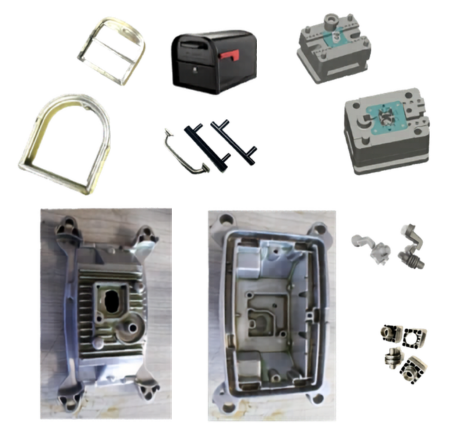
Die casting is a precise and efficient manufacturing process used to create parts by injecting molten metal into a mold under high pressure. At Mouldspex India Pvt Ltd, we specialize in producing die casting molds for a wide variety of industries including automotive, aerospace, and consumer electronics. Our advanced die casting technology ensures high precision, durability, and repeatability, making it ideal for mass production of complex metal components with excellent surface finish and dimensional accuracy.
Here’s a basic rundown of how our die casting mold process works at Mouldspex India Pvt Ltd:
1. Material Selection: The first step in the die casting process is selecting the right material. Mouldspex uses a variety of alloys, including aluminum, zinc, magnesium, and copper, based on the specifications of the part. These materials are chosen for their high strength-to-weight ratio, excellent fluidity, and resistance to corrosion.
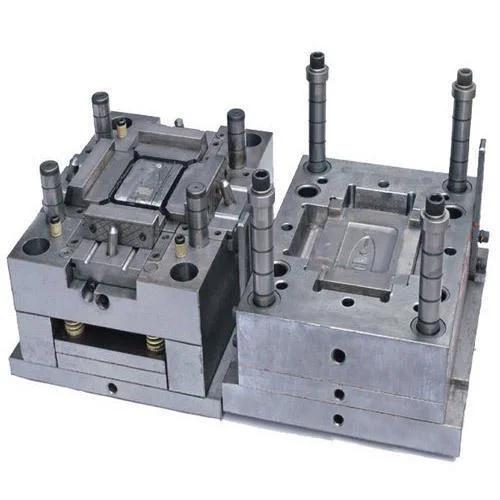
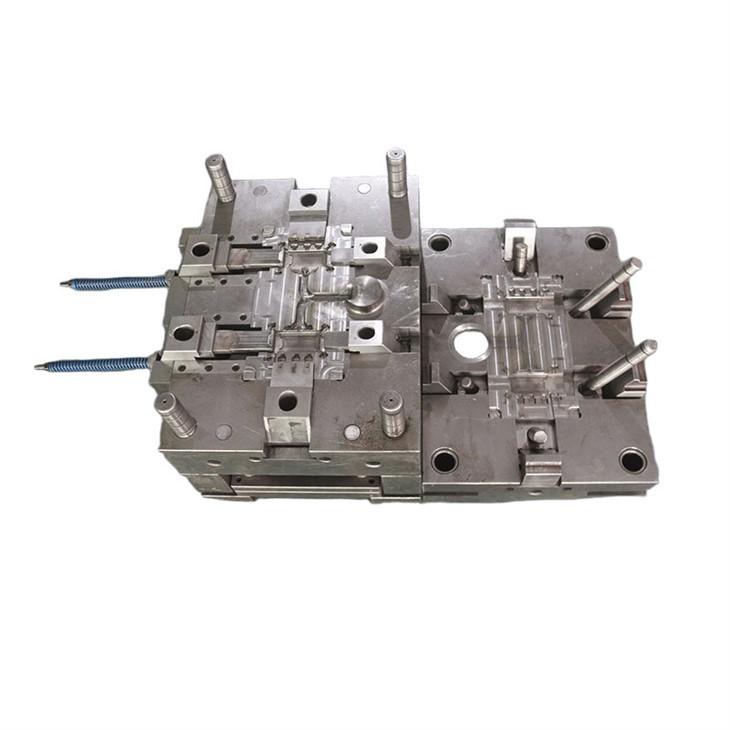
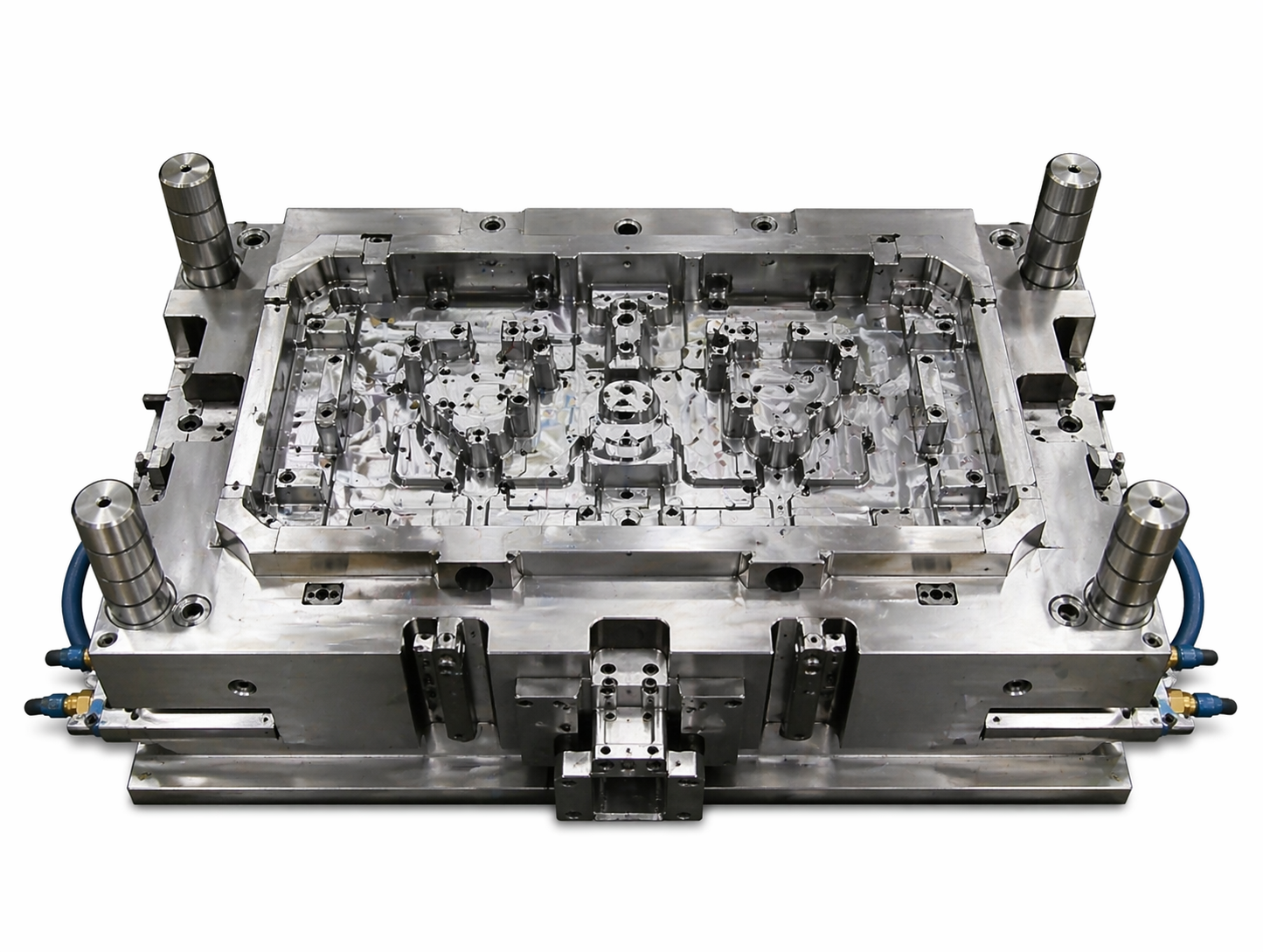
2. Mold Design: At Mouldspex, we work with clients to design custom molds that match the exact dimensions and features of the required part. The design process involves using CAD (Computer-Aided Design) software to create precise mold specifications, ensuring that all features of the part can be accurately reproduced. The mold design is critical for achieving high-quality results.
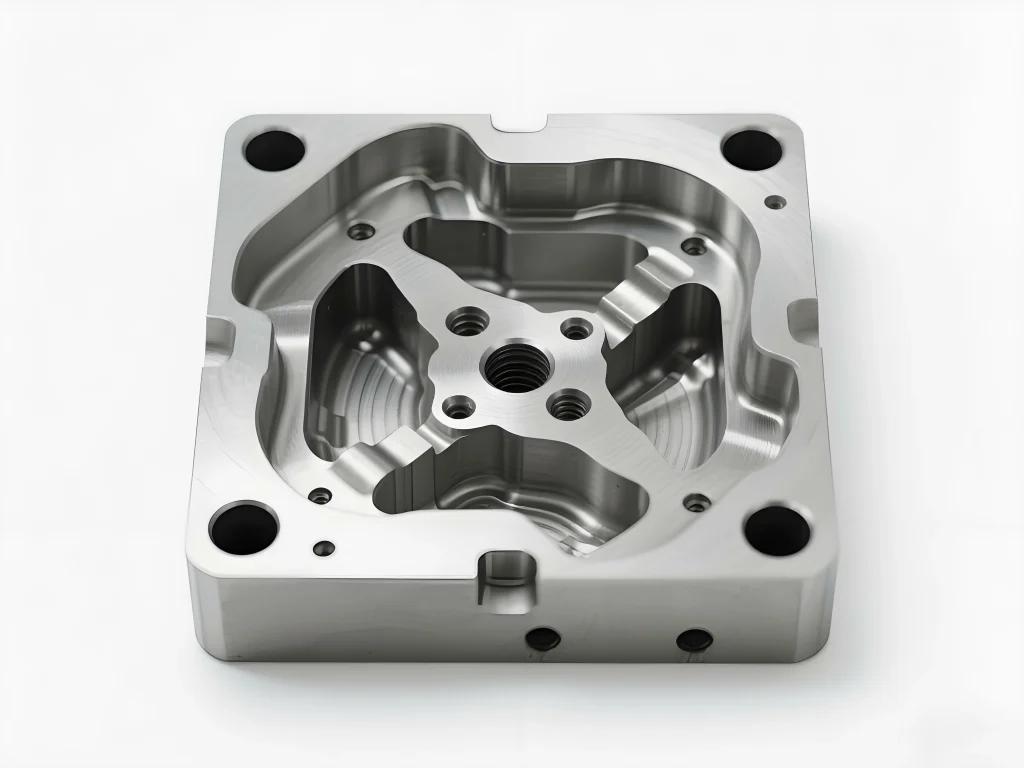
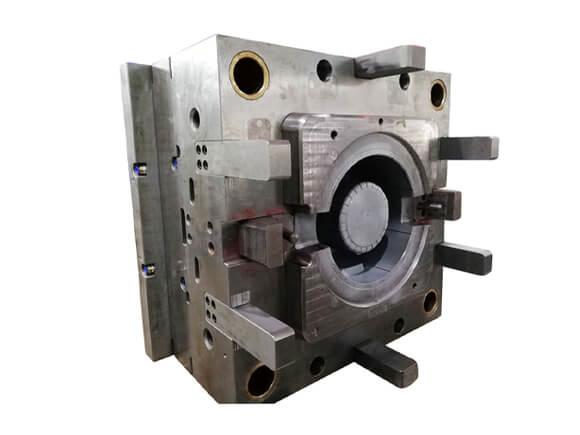
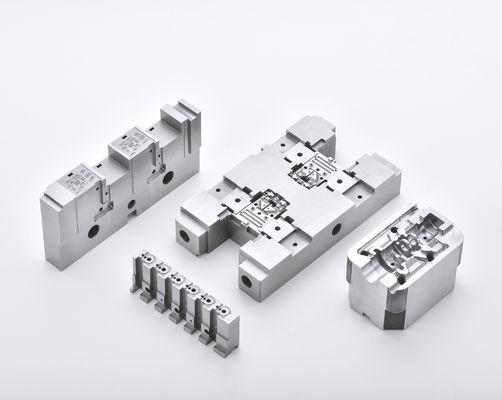
3. Mold Preparation: Once the mold design is finalized, it is manufactured using high-grade steel or other durable materials. Mouldspex India Pvt Ltd employs advanced machining techniques to ensure that the mold is robust and capable of withstanding high pressure during the injection process. Our molds are designed for long-lasting durability and can handle high-volume production runs.
4. Die Casting Injection: In this stage, molten metal is injected into the prepared mold under high pressure. Mouldspex uses cutting-edge die casting machines to inject the molten metal, ensuring a consistent flow and the creation of complex shapes with tight tolerances. The pressure used in the injection process ensures that the molten metal fills the mold completely, capturing even the finest details of the mold design.
5. Cooling and Solidification: After the molten metal is injected into the mold, it is allowed to cool and solidify. Mouldspex uses precision-controlled cooling systems to ensure uniform cooling, which prevents defects such as warping and shrinkage. The cooling process is carefully managed to ensure the finished part has the desired properties and dimensions.
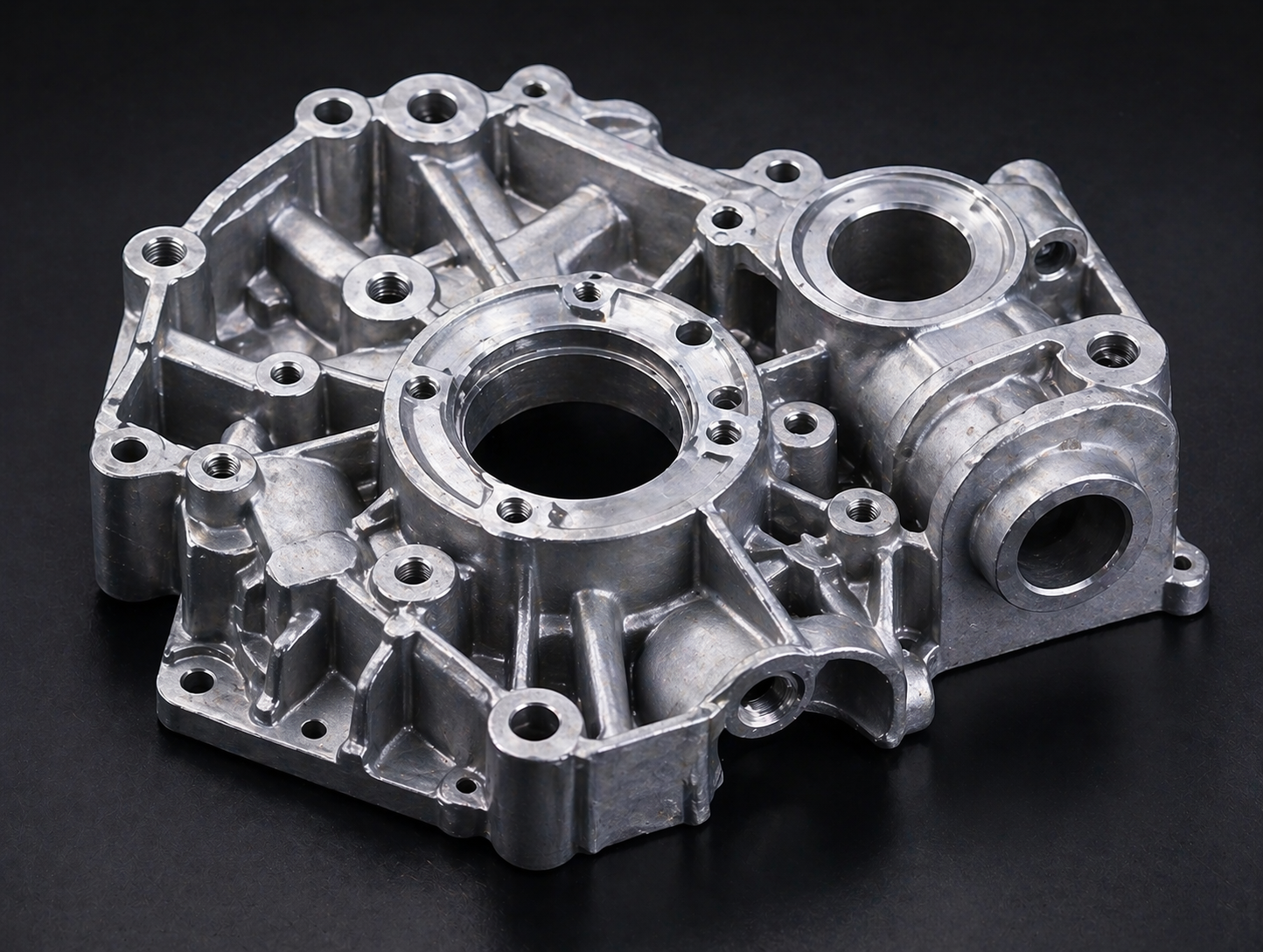
6. Ejection and Finishing: Once the metal has solidified, the mold is opened, and the finished part is ejected. The part is then inspected for quality and any necessary finishing operations are performed. These finishing steps can include trimming, surface treatment, and polishing to meet the client's specific requirements.
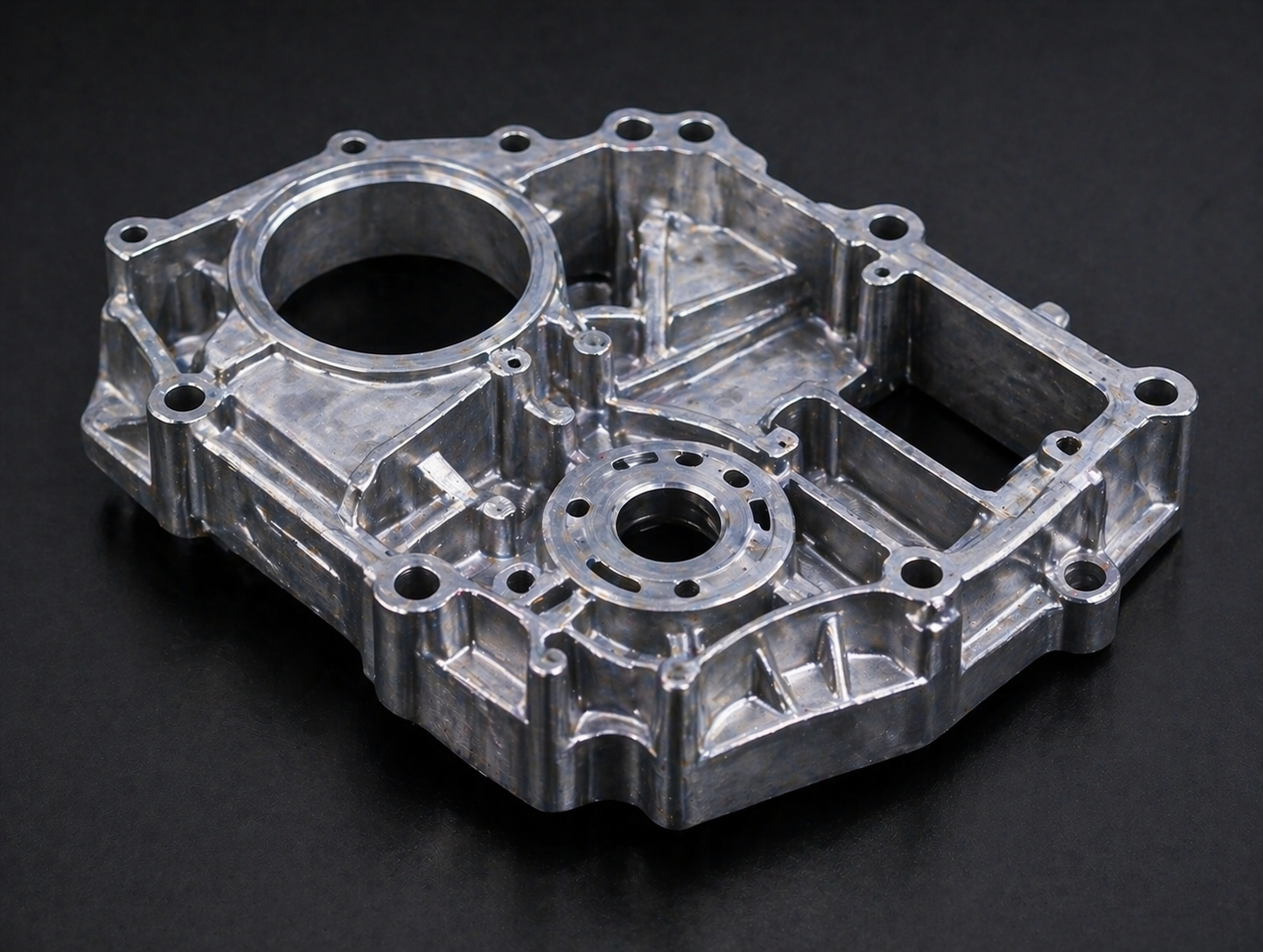
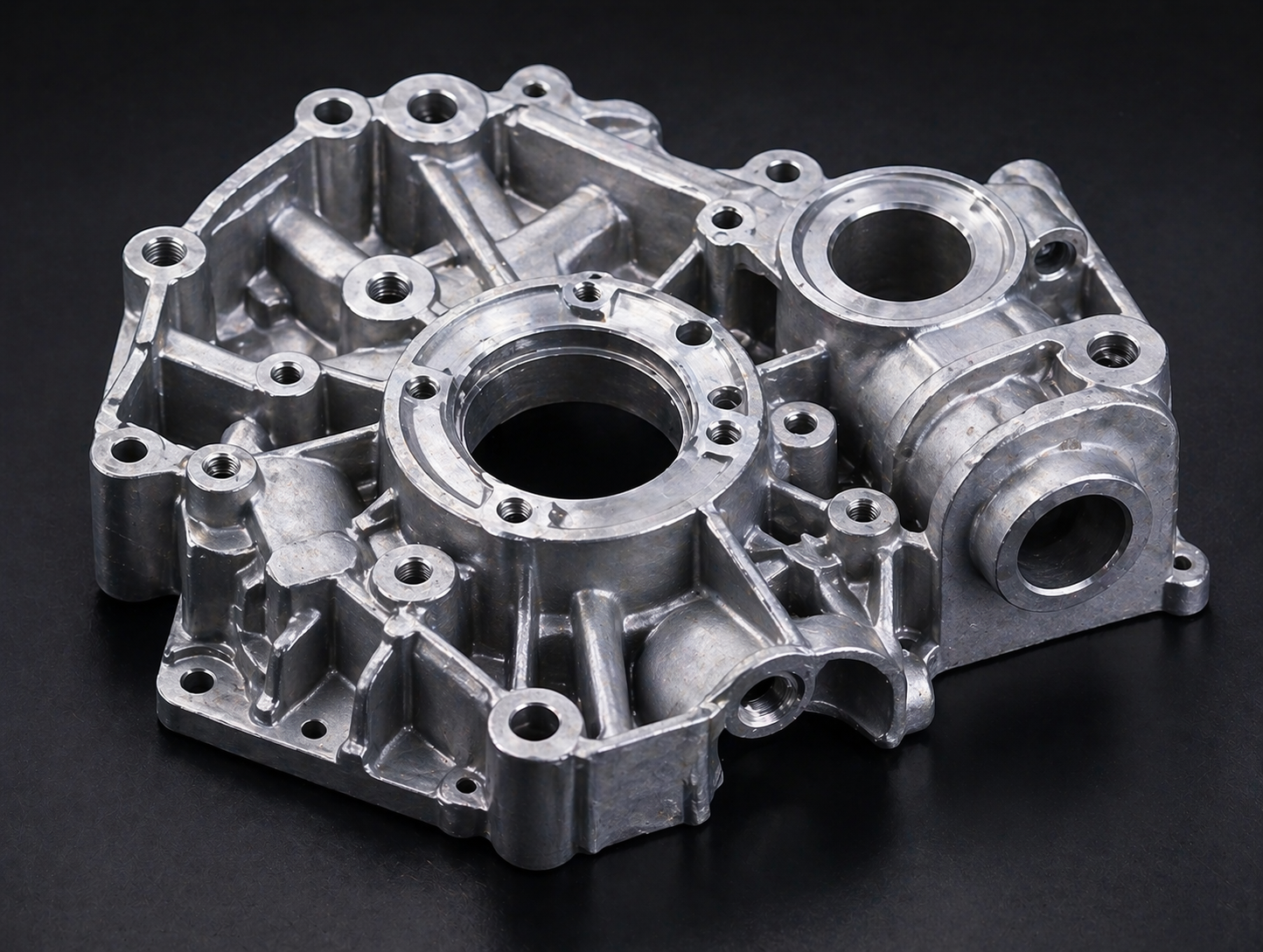
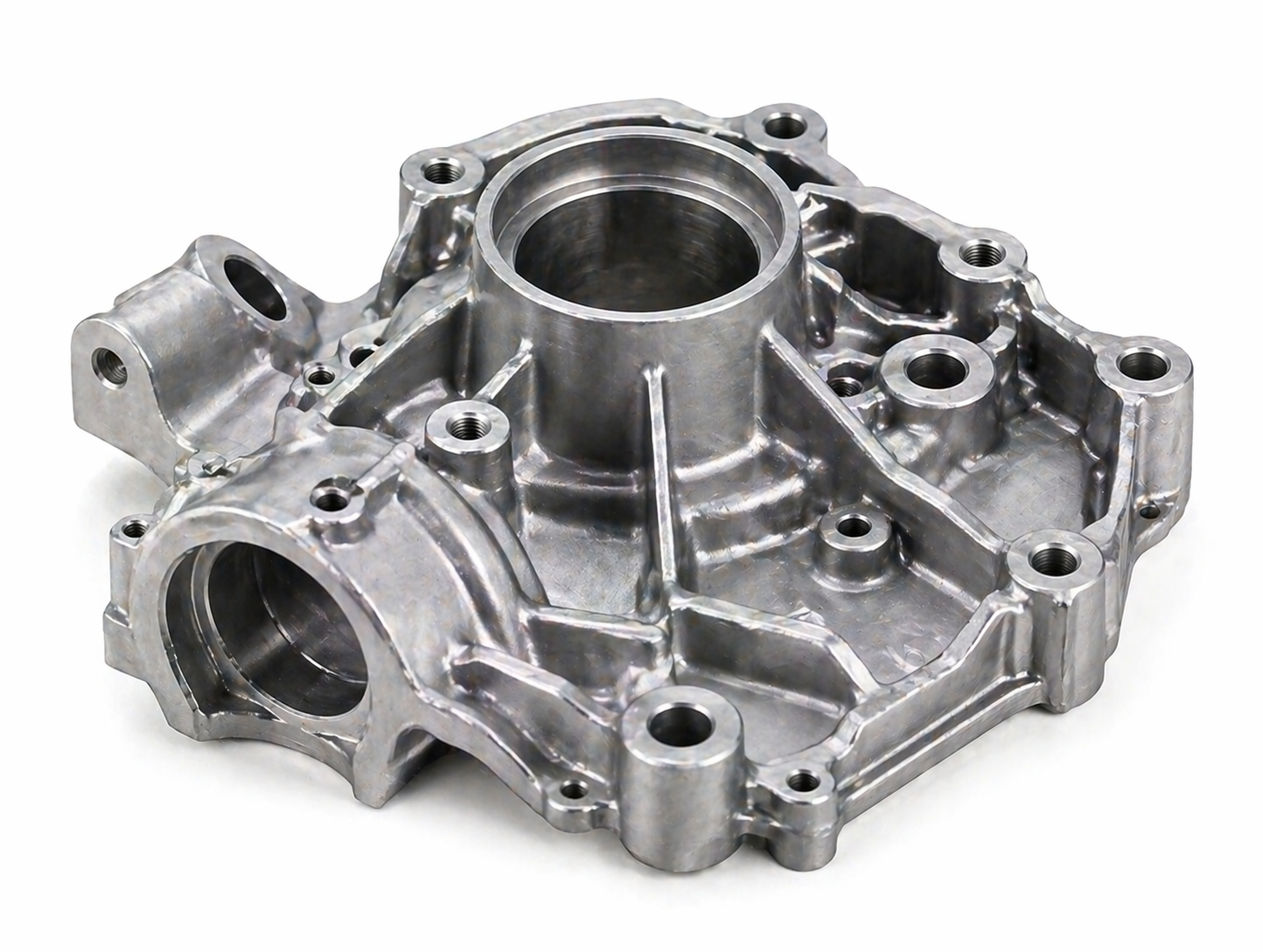
Mouldspex india private limited
- Injection Moulds
- Diecasting Moulds
- Precision Moulds Components and Tooling
- Rubber and Compression Moulds
 4 (1).png)
Let's Talk About Your Mould Requirements
Book a Consultation | Flexible Timings
Work with our team to build your
next solution
By clicking the above button, you agree to our Privacy Policy.